
Can Creatine Actually Improve Brain Function? What the Science Says About Cognitive Enhancement
New 2024 research reveals creatine monohydrate significantly improves memory, processing speed, and attention. This science-based guide examines the evidence, optimal dosages for cognitive enhancement, and who benefits most from creatine supplementation for brain health.
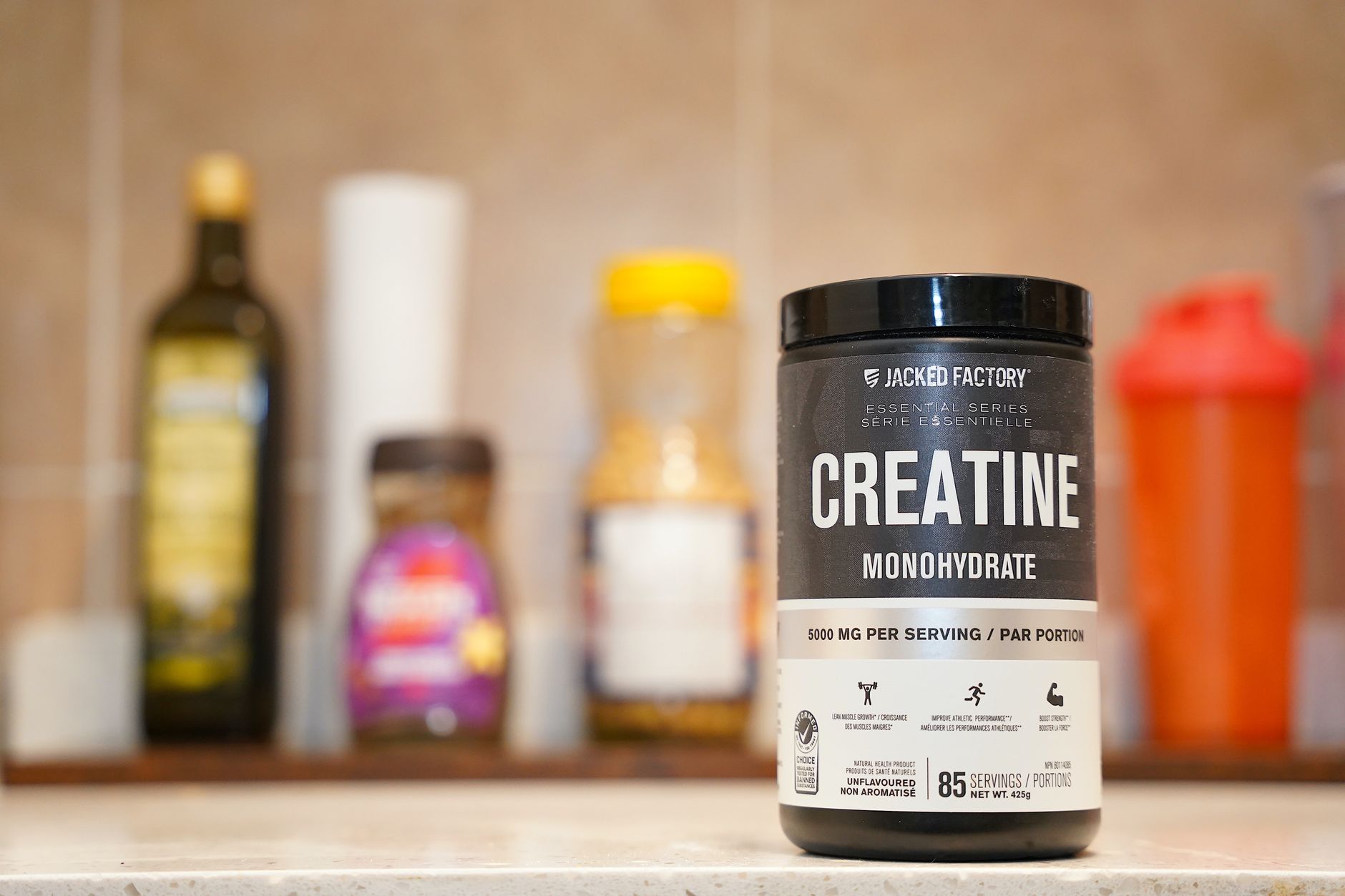
DISCLAIMER: This article is for informational purposes only and does not constitute medical advice. Always consult with a healthcare professional before starting any supplement regimen, especially if you have pre-existing health conditions or are taking medications.
When most people hear "creatine," they picture bodybuilders at the gym. But a growing number of Reddit users are asking a different question: Can creatine actually improve brain function? Posts across r/Biohackers, r/Nootropics, and r/cognitiveTesting reveal genuine curiosity about whether this muscle-building supplement has cognitive benefits—and if so, at what dosage?
The answers from comment sections are predictably mixed. Some users swear by creatine for mental clarity; others dismiss it as bro-science. But what does the actual research show? As it turns out, the science behind creatine and cognitive function is more robust than many realize—and 2024 brought some of the most compelling evidence yet.
Why Would Creatine Affect the Brain at All?
To understand creatine's potential cognitive effects, you need to understand what creatine actually does in the body. Creatine is a nitrogenous organic acid that plays a critical role in energy metabolism—specifically, the production and recycling of adenosine triphosphate (ATP), the cellular energy currency that powers virtually every biological process.
Here's why this matters for your brain: Despite comprising only about 2% of your body weight, your brain consumes roughly 20% of your body's energy. Neural tissue is extraordinarily metabolically demanding. When you think, remember, focus, or process information, your neurons are burning through ATP at remarkable rates.
The creatine-phosphocreatine system acts as a rapid-response energy buffer. When ATP is broken down to release energy, it becomes ADP (adenosine diphosphate). Creatine phosphate donates its phosphate group to ADP, rapidly regenerating ATP and keeping energy flowing during periods of high demand. This system is particularly important in tissues with high, fluctuating energy needs—like muscle and brain tissue.
What the 2024 Meta-Analysis Reveals
In July 2024, researchers published a comprehensive systematic review and meta-analysis in Frontiers in Nutrition that analyzed 16 randomized controlled trials involving 492 participants aged 20.8 to 76.4 years. This wasn't a small, niche investigation—it was a rigorous examination of the cumulative evidence, registered with PROSPERO and following PRISMA 2020 guidelines.
The results were striking. Creatine monohydrate supplementation showed:
- Significant improvements in memory (Standardized Mean Difference = 0.31, 95% CI: 0.18–0.44)
- Faster processing speed (SMD = −0.51, indicating reduced time to complete cognitive tasks)
- Better attention performance (SMD = −0.31 for attention time)
Perhaps more interestingly, the analysis revealed that creatine's cognitive benefits were most pronounced in specific populations: individuals with existing diseases or conditions, those aged 18–60, and females. The researchers found no significant difference between short-term (under 4 weeks) and long-term (4+ weeks) interventions—suggesting benefits may emerge relatively quickly.
The GRADE assessment rated the evidence for memory improvements as "moderate certainty," while evidence for processing speed, attention, and overall cognitive function was rated "low certainty"—indicating more research is needed but that the existing evidence is promising.
The Vegetarian Advantage: Why Diet Matters
One of the most fascinating findings in creatine research comes from a seminal 2003 study led by Dr. Caroline Rae and published in Psychopharmacology. The researchers recruited 45 young adult vegetarian subjects and gave them either 5g/day of creatine monohydrate or a placebo for six weeks in a double-blind, crossover design.
The results were remarkable. The creatine group showed significant improvements in working memory and intelligence testing—particularly on tasks requiring complex reasoning under time pressure. The magnitude of improvement was larger than typically seen in cognitive enhancement studies.
Why vegetarians? Dietary creatine comes almost exclusively from animal products—red meat, fish, and poultry. Vegetarians and vegans have significantly lower baseline creatine stores in both muscle and brain tissue. For these individuals, supplementation doesn't just add to existing stores; it corrects a relative deficiency, potentially explaining the pronounced effects.
This doesn't mean creatine only works for vegetarians. Rather, it suggests that the cognitive benefits may be most noticeable in those with lower baseline creatine levels—which could include older adults, people under high cognitive stress, or anyone with suboptimal dietary intake.
Creatine and Sleep Deprivation: A 2024 Breakthrough
One of the most practically relevant studies published in 2024 appeared in Scientific Reports and examined creatine's effects on cognitive performance during sleep deprivation. Given that an estimated 35% of adults don't get the recommended 7-9 hours of sleep, this research has real-world implications.
In this double-blind study, researchers kept participants awake for 21 hours (simulating overnight wakefulness) and gave one group a single high dose of creatine (0.35 g/kg body weight) while the other received placebo. The results were significant: creatine supplementation substantially improved cognitive performance, processing capacity, and short-term memory compared to placebo.
The cognitive benefits peaked around 4 hours post-supplementation and lasted up to 9 hours total. Using magnetic resonance spectroscopy, the researchers confirmed that creatine increased brain phosphocreatine levels and enhanced the brain's energy buffer capacity—essentially giving sleep-deprived brains more fuel to work with.
This doesn't mean creatine replaces sleep. Nothing replaces sleep. But for shift workers, medical residents, military personnel, or anyone facing acute sleep loss, the findings suggest creatine may provide temporary cognitive protection.
Dosage: How Much for Brain Benefits?
The Reddit question that inspired this article specifically asked: "How much creatine if using for cognitive function?" The research provides clearer answers than you might expect.
For chronic supplementation (daily use), studies consistently use 5 grams per day of creatine monohydrate. This appears to be sufficient for raising brain creatine levels and producing cognitive benefits over time. The 2024 meta-analysis found no significant difference between interventions under 4 weeks and those 4 weeks or longer, suggesting that brain creatine levels may saturate relatively quickly.
For acute cognitive enhancement—such as before cognitively demanding tasks or during sleep deprivation—the 2024 sleep deprivation study used 0.35 g/kg body weight as a single dose. For a 70 kg (154 lb) person, that's approximately 24.5 grams—significantly higher than the standard 5g dose. This higher acute dose appears necessary for rapid brain uptake and immediate cognitive effects.
Importantly, the standard 5g daily dose appears safe for long-term use. Creatine monohydrate is one of the most extensively studied supplements, with research spanning decades and showing excellent safety profiles in healthy individuals.
Limitations and What We Still Don't Know
Despite promising findings, several important caveats remain. The 2024 meta-analysis found no significant improvements in overall cognitive function or executive function—only specific domains like memory, attention, and processing speed. Creatine is not a general intelligence booster; its effects appear targeted to specific cognitive processes.
The evidence is also stronger for certain populations than others. Vegetarians, older adults, people with existing health conditions, and females appear to benefit most. For young, healthy omnivores with good diets, the cognitive effects may be more modest or even undetectable.
Additionally, the research has limitations. Sample sizes in individual studies are often small. The optimal dosing for cognitive benefits specifically (as opposed to muscle benefits) hasn't been definitively established. And long-term studies tracking cognitive effects over years are largely absent.
Should You Try Creatine for Cognitive Enhancement?
Based on the current evidence, creatine monohydrate appears to offer modest but measurable cognitive benefits for memory, processing speed, and attention—particularly for those with lower baseline creatine levels or facing cognitive stress like sleep deprivation. The supplement is well-tolerated, inexpensive, and has an excellent safety profile in healthy adults.
That said, expectations should be realistic. Creatine is not a limitless pill. It's not going to turn you into a genius overnight. The effects are subtle, specific, and most pronounced in those who need them most.
If you're considering creatine for cognitive enhancement:
- Start with 5g daily of creatine monohydrate (the most researched form)
- Give it time—while some acute effects exist, benefits may build over several weeks
- Manage expectations—effects are modest and may be more noticeable if you're vegetarian, older, or cognitively stressed
- Don't skip sleep—creatine may help during sleep deprivation, but it's not a substitute for proper rest
- Consult a healthcare professional—especially if you have kidney issues or are taking medications
The Bottom Line
The Reddit users asking whether creatine can improve brain function were onto something. The science increasingly suggests that yes, it can—particularly for memory, processing speed, and attention under demanding conditions. The 2024 meta-analysis and sleep deprivation studies represent significant advances in our understanding of creatine's nootropic potential.
But perhaps the most important takeaway is this: Creatine's cognitive effects highlight a broader principle that's often overlooked in discussions about brain health. Your brain is an energy-intensive organ, and supporting its metabolic needs matters. Whether through creatine supplementation, adequate sleep, proper nutrition, or regular exercise, maintaining robust brain energy metabolism is foundational to cognitive function.
The bodybuilders were optimizing their muscles. Turns out, they may have been helping their brains too.
References:
Xu, C., Bi, S., Zhang, W., & Luo, L. (2024). The effects of creatine supplementation on cognitive function in adults: a systematic review and meta-analysis. Frontiers in Nutrition, 11, 1424972.
Rae, C., Digney, A. L., McEwan, S. R., & Bates, T. C. (2003). Oral creatine monohydrate supplementation improves brain performance: a double-blind, placebo-controlled, cross-over trial. Proceedings of the Royal Society of London. Series B: Biological Sciences, 270(1529), 2147-2150.
Dose, J., et al. (2024). Single dose creatine improves cognitive performance and corticomotor excitability during sleep deprivation. Scientific Reports, 14, 54249.
Dolan, E., et al. (2021). Beyond muscle: the effects of creatine supplementation on brain health. Nutrients, 13(2), 586.